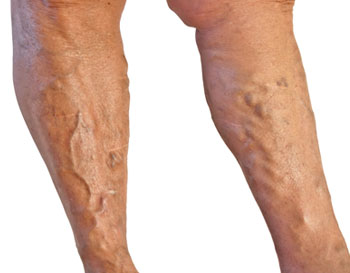
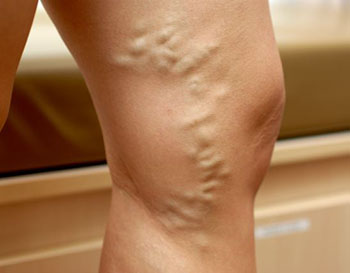
Varicose veins can be uncomfortable or cause you to feel embarrassed. With minimally invasive treatment from an advanced vein specialist in NJ, Dr. Weiswasser, you don’t have to live with discomfort.
We Are Your Varicose Vein Specialists in NJ
At Aesthetic Vascular Associates, our results speak for themselves. Led by Jonathan Weiswasser, MD, we offer state-of-the-art, minimally invasive vein disease treatment so you can live your life to the fullest.
At AVA, you will experience care in a comfortable, safe, and supportive environment under the direction of Dr. Weiswasser, one of NJ’s top vein doctors. Due to his vast experience in treating symptomatic vein disease, Dr. Weiswasser has become one of the most well-known and sought-after varicose vein doctors in NJ.
Experience the difference in care with AVA and Dr. Weiswasser.
What Are Varicose Veins?
Varicose veins are normal veins that have become abnormal because of a change in the circulation pattern elsewhere in the leg. They are large, rope-like veins that often cause discomfort in the form of pain with prolonged periods of standing.
Varicose veins are the most common form of vascular disease, affecting 15%-25% of all adults and approximately 50% of people over 50. About half of the population has some form of vein disease, with women having a higher incidence than men.
How Do Varicose Veins Form?
When functioning normally, veins move blood upwards against gravity, utilizing a special mechanism of valves. In some people, these valves can be disrupted so that blood flows the wrong way down the leg, a condition called venous reflux. Reflux leads to congestion in the lower leg, causing veins that would ordinarily be invisible to become stretched, engorged, visible, and painful.
Are Varicose Veins Painful?
In addition to the telltale visual symptoms of ropy, enlarged veins, varicose veins may cause physical symptoms for some patients, which may include sensations in the legs such as:
- Pain, which can present as an aching or cramping
- Heaviness/tiredness
- Burning or tingling sensations
- Swelling/throbbing
- Tender areas around the veins
Which Varicose Vein Treatment Is Best?
The right treatment for you will depend on several factors, and our team works with you to decide on the best choice. We offer several treatment options, all of which are safe and very effective. For your comfort, we perform our procedures in an outpatient setting, using local anesthesia with no incisions.
Compression Stockings
Compression stockings are often used as a first approach to the treatment of varicose veins. They work by forcing blood to the upper part of the leg to reduce blood pooling and congestion in the lower legs. Available both over-the-counter and in prescription form, compression stockings are also used for support after vein procedures.
Injection Sclerotherapy
Sclerotherapy involves shutting a vein down. The most common method is known as injection sclerotherapy, in which we use a tiny needle to inject liquid into multiple parts of the vein, effectively shutting it down. The procedure requires no downtime and won’t interfere in daily activities such as exercise. Though injection sclerotherapy is often used for spider veins, it may be effective for certain types of varicose veins.
Foam Sclerotherapy
Foam sclerotherapy is an ideal treatment choice for larger, longer varicose veins. Dr. Weiswasser and the AVA are proud to have been the first to use Varithena, an FDA approved foam sclerosant, in the tri-state area. Microfoam is injected into the vein, causing it to naturally seal itself closed. Patients experience no downtime and are able to resume normal activities immediately.
Vein Ablation
Vein ablation is a procedure that shuts down a vein using either laser ablation or radiofrequency ablation. We use two methods: radiofrequency ablation and endovenous laser ablation, both of which use microwave energy to heat the vein wall and cause it to shut down. Vein ablation takes about 30-40 minutes and is performed on an outpatient basis.
Microphlebectomy
Microphlebectomy is a procedure used for varicose vein removal. At our NJ varicose vein treatment center, we perform microphlebectomies in conjunction with ablations to treat the problem at its source. The entire procedure takes about 45 minutes. You walk in, have it done under local anesthesia, and walk out and drive home.
Experience Better Care With Dr. Weiswasser and Aesthetic Vascular Associates
Established in 2008 in conjunction with The Plastic Surgery Center, the Aesthetic Vascular Associates offers unparalleled varicose vein treatment in NJ. Reach out to Dr. Weiswasser and his team today to eliminate your discomfort from vein disease.